In-House team or embedded Creative Studio? What actually builds a brand that lasts
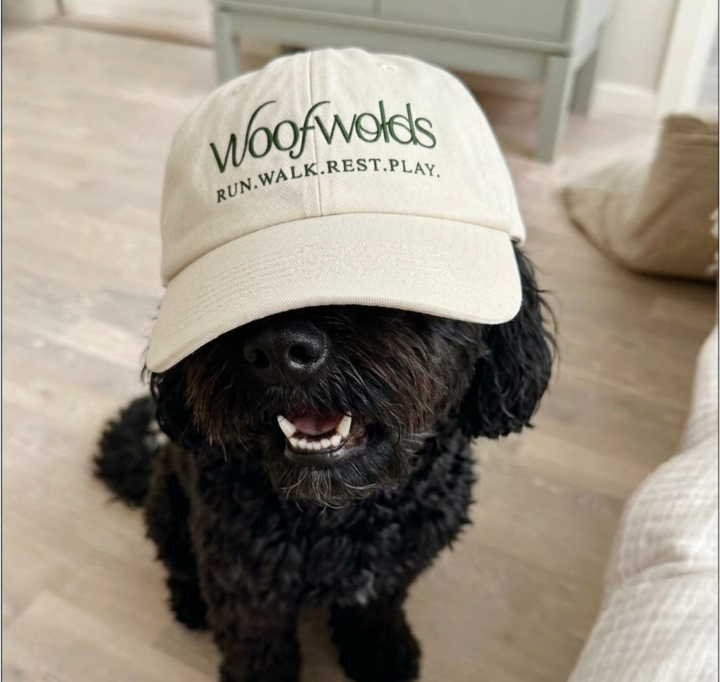
A luxury pet brand that was created through our Timeless Brand™️ Methodology.
I spent seven years running the brand team at the Financial Times before founding Ferrgood Studio, so I've sat on both sides of this question, and I can tell you plainly: in-house creative teams are not, structurally, built for innovation.
That's not a criticism of the people. It's a fact about the environment. In-house teams get comfortable in their workflows, and comfort is the enemy of the kind of creative risk that actually cuts through. I watched it happen from inside a newsroom brand team: whenever a campaign needed to genuinely perform, needed to take a real creative swing, it got outsourced. Which, looking back, is a strange admission for any in-house structure to make about itself. If the biggest moments always go external, what is the in-house team actually optimised to do?
Why this matters more now, not less
We're in a moment where AI is reshaping creative and marketing workflows faster than most internal teams can adapt to. Innovation isn't optional anymore. It's the baseline. And innovation is exactly what internal hierarchies are worst at protecting, because internal teams are a direct reflection of a company's internal culture and whoever's approving the budget. Resistance to change isn't a personality flaw. It's what happens naturally inside any structure built around consistency and sign-off chains.

For Good Club’s branding appeals to their main target audience, the Gen Z consumers.
What a business actually needs from its creative function
Strip away the org chart question and ask what you actually want from a creative team: innovation, spark, absolute consistency, and someone guarding the storytelling closely enough that internal and external messaging never drift apart. None of that requires headcount. It requires leadership with a genuine point of view, backed by a team with the range to execute it.
That's the model an embedded creative studio offers. Ferrgood Studio operates as exactly that: a brand strategist, designers, and go-to-market expertise working as your creative and content function, led by someone whose entire practice sits at the intersection of AI and creativity. That's not a side interest. It's why Women in AI House exists as a community, and why that work translates directly into how every client brand is built: with a team that's already ahead of the adoption curve most in-house teams are still catching up to.
The actual comparison to make
The question isn't "in-house versus agency" anymore. It's "internal hierarchy versus embedded partner." An embedded creative studio gets the consistency and closeness of an in-house team, brand guardianship, cultural fluency, always-on thinking, without inheriting the structural resistance to change that internal teams almost always develop over time.
If your creative output has started to feel safe rather than sharp, that's rarely a talent problem. It's usually a structure problem.
What would your brand look like if the team behind it had no internal politics slowing it down?