Brand Worlds explained: how Ferrgood Studio builds identities that go beyond a logo
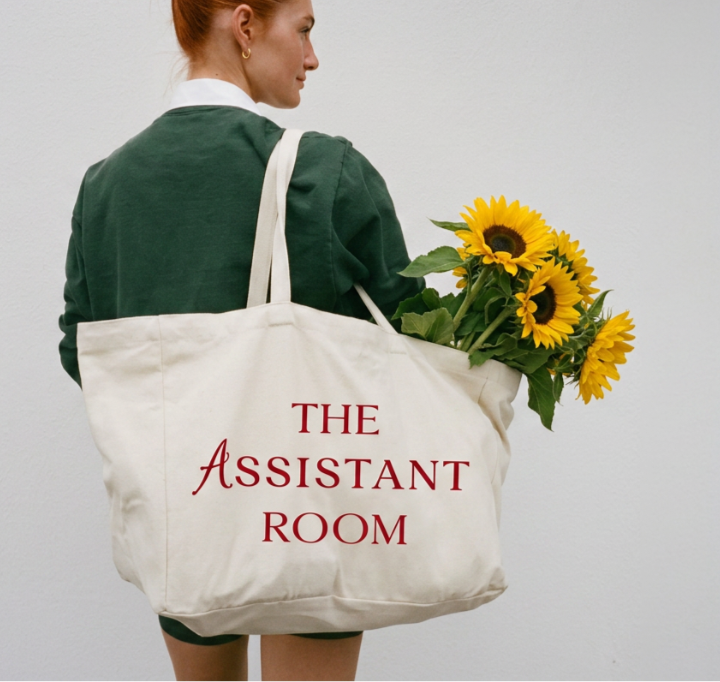
A brand identity is what a business looks like. A brand world is what a business feels like before anyone reads a single word of copy.
Here's the test I use: if someone sees a photograph, hears three seconds of a video, or catches a scent in a store, do they know exactly whose brand it is without a logo anywhere in frame? That's a brand world. That level of recognition doesn't happen by accident, and it isn't built from a visual identity alone. It's built from a consistent, deliberate experience across every single touchpoint a customer has with a business.
Brand identity vs brand world
A brand identity is the toolkit: logo, colour palette, typography, a set of visual rules. Necessary, but static. It's what a business hands to a printer or a developer.
A brand world is the toolkit in motion. It's the identity applied consistently enough, over enough touchpoints, that customers develop real familiarity with it. That familiarity is what turns a customer into a brand ambassador, someone who recommends you unprompted because the brand has become part of how they see themselves. In a market this saturated, that kind of loyalty isn't a nice-to-have. It's the difference between a business that has to keep buying attention and one that gets recommended for free.
Most rebrands stop at identity. They deliver the toolkit and consider the job done. What's missing is the follow-through: the storytelling, the marketing application, the discipline of applying that world consistently across a launch, a campaign, a founder's LinkedIn post, and a product page, so the experience never breaks character. That follow-through is where a creative director earns their fee, and it's the piece a lot of businesses discover they're missing only after the identity's already been delivered.
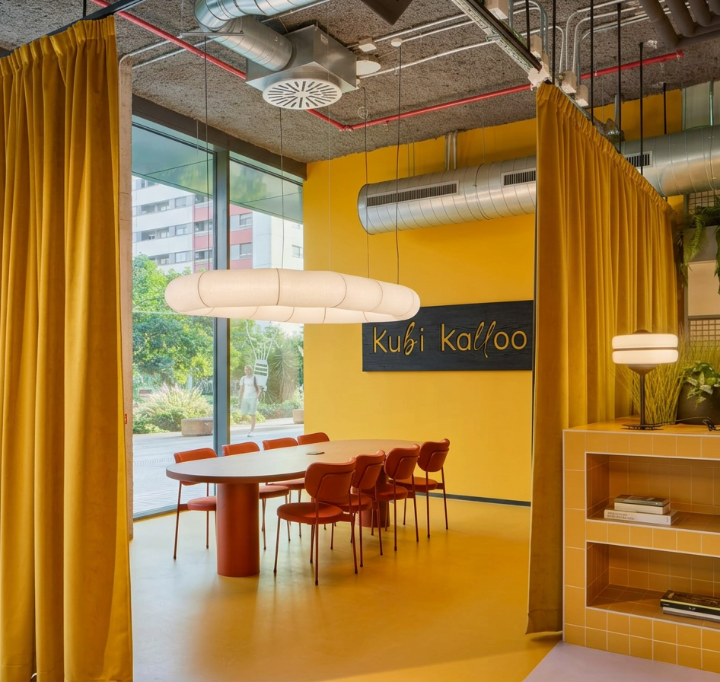
How the Timeless Brand™ methodology builds one
This is exactly what the Timeless Brand™ methodology is structured to do. It doesn't start with visuals. It starts with strategy and story, so that by the time we're designing anything, we already know what the brand world needs to feel like, and every decision after that is in service of that feeling rather than a trend.
The team behind that process brings brand strategy, design, and go-to-market experience together under one roof, which is exactly why the output holds up as a world rather than a one-off identity delivered and left to fend for itself.
Why Ferrgood over a bigger, more expensive boutique studio
The honest advantage isn't that we're cheaper than a boutique brand studio charging significantly more for comparable work. It's that we're more agile, and agility here doesn't mean a compromise on quality. It usually means the opposite. Founders are consistently surprised at how much strategic and creative depth we get to in a shorter timeframe than a bigger studio would need, because there's no internal hierarchy slowing decisions down between strategy and execution.
The real question to ask before you brief anyone
If you're briefing a studio for a rebrand right now, don't ask "can you make this look good." Ask "will this still feel like us in three years, across every touchpoint, without me having to think about it." That's the difference between buying an identity and building a world.
What does your brand feel like when nobody's looking at the logo?